

Permanent Daylight-Saving Time in British Columbia
October 28, 2026
In the spring, British Columbia adopted permanent daylight-saving time. With this change, B.C. now observes Pacific Time (PCT) year-round. We're sharing the following information from Fraser Health Medical Health Officer Dr. Jing Hu to support the health and well-being of our students.
Permanent daylight-saving time will provide an extra hour of daylight in the afternoon, creating additional opportunities for outdoor activity, recreation, and social connection.
However, many of us will start the day with darker skies. Reduced morning light can impact sleep, alertness and mood, particularly among adolescents, whose biological clocks naturally favour later sleep and wake times. Encouraging healthy sleep habits, such as maintaining consistent bedtimes and wake-up times, are important to support learning, mental well-being, and health development.
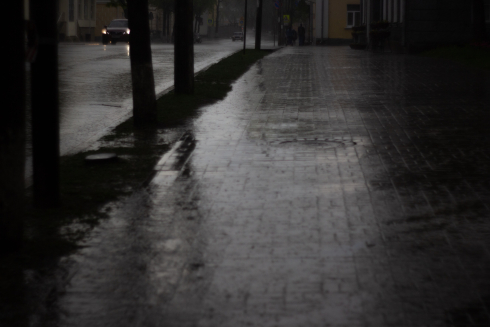
During winter months, some students who walk, bike, or take transit may travel in lower-light conditions. Taking steps to improve visibility and road safety can help support safer travel to school. However, students will benefit from more daylight during after school and extracurricular activities.
Find some tips on what families can do to support student well-being.
Support healthy sleep and well-being
Spend time outdoors during daylight hours whenever possible. Encourage physical activity and social connection through after school programs and activities. Maintain consistent bedtimes and wake-up times. Turn off screens at least one hour before bedtime, as evening screen use can make it harder to fall asleep.
Support safe travel to and from school
Help children choose well-lit routes with sidewalks and designated crossings. Encourage children to wear reflective or high-visibility clothing and use a flashlight when traveling during darker morning hours. Remind children to use designated crossings, scan traffic, and make sure vehicles have stopped before crossing.
If driving
Use extra caution when driving near schools, crosswalks, intersections, and shared pathways. Be aware of one's surroundings and refrain from cell phone use, make eye contact, and shoulder check before turning or changing direction. Travel at slow speeds and stop completely at stop signs and crosswalks.